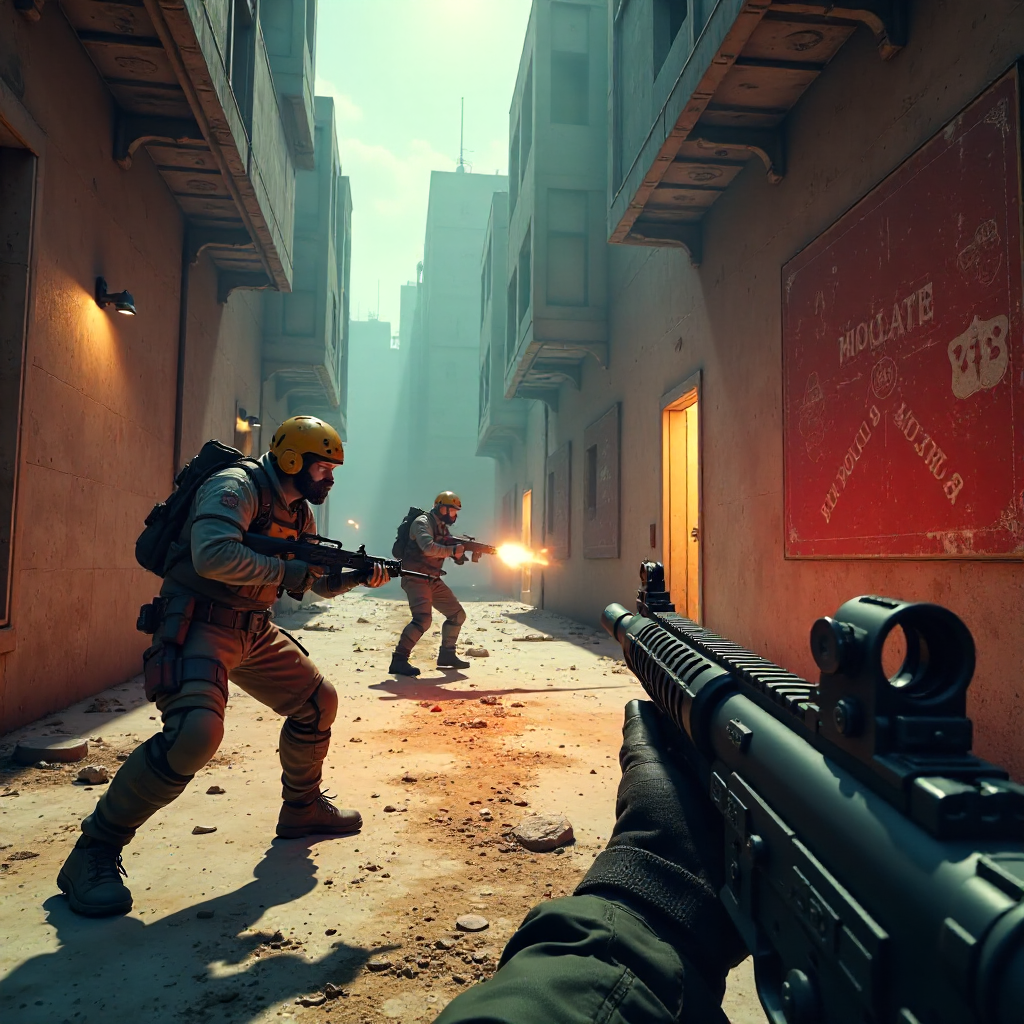
The Psychology of Non-Lethal Gameplay: Why Players Enjoy Alternatives to Violence
Introduction to Non-Lethal Gameplay
Non-lethal gameplay refers to game mechanics that allow players to resolve conflicts without causing permanent harm or death to opponents. This approach has gained momentum in modern video games as developers and players seek alternatives to traditional violent combat. Instead of relying solely on lethal force, players can use tactics such as incapacitation, distraction, or negotiation to progress.
The rising popularity of non-lethal options reflects a shift toward more nuanced and player-centered experiences, especially in genres like physics-based FPS games where creativity and strategy merge with immersive action.
Psychological Appeal of Non-Lethal Mechanics
Players are drawn to non-lethal gameplay because it engages empathy, offers meaningful moral choices, and reduces stress compared to constant violent conflict. These factors create deeper emotional engagement and personal investment in how the game world unfolds.
Empathy plays a key role, as players often feel more connected when they can choose to incapacitate rather than kill, reflecting real-life ethical considerations. This moral flexibility appeals to players who value agency and want their in-game actions to align with their personal values.
Additionally, non-lethal mechanics often lower the intensity of in-game violence, which can reduce player anxiety. Games that integrate such options accommodate a wider audience, including those sensitive to violent content, while preserving challenge and excitement.
Enhancing Player Wellbeing Through Game Design
Non-violent gameplay supports player wellbeing by creating a more emotionally comfortable environment that encourages exploration and experimentation. When players know they can avoid lethal consequences, they often experience less frustration and burnout.
This safety net boosts player agency, as players feel their choices truly matter—whether they opt for stealth, negotiation, or creative use of tools. It empowers longer play sessions because players can tailor their experience to match their mood or ethical stance without sacrificing fun.
Wellbeing is further enhanced when games provide feedback that rewards non-lethal success, such as unique story outcomes or achievements, encouraging diverse playstyles and reducing pressure to conform to typical kill-or-be-killed patterns.
Non-Lethal Gameplay in Physics-Based FPS Games
Physics-based FPS games uniquely enrich non-lethal gameplay by allowing players to manipulate the environment and objects with realistic dynamics to solve conflicts creatively. This interactivity amplifies immersion and player creativity.
For example, players might use throwable gadgets that stun or immobilize enemies, or physics-enabled traps that block paths without causing harm. These mechanics encourage strategic thinking about leverage, timing, and environmental advantages rather than pure shooting skills.
The tactile satisfaction of experimenting with physics adds a fresh layer to traditional FPS gameplay, making non-lethal approaches not just viable but compelling. This also broadens player appeal by merging action with puzzle-like problem solving.
Game Developer Perspectives: Designing Alternatives to Violence
Developers integrating non-lethal systems face the challenge of balancing player freedom without sacrificing challenge or narrative impact. Designing meaningful non-lethal options requires careful tuning of mechanics, enemy AI, and feedback loops.
Common design considerations include ensuring that non-lethal methods are as effective and satisfying as lethal ones, so players don’t feel penalized for choosing restraint. This means offering diverse tools, such as tranquilizers, distraction devices, or hacking capabilities, that are intuitive yet deepen gameplay complexity.
Ethics in gaming also come into play, as developers must thoughtfully represent consequences for all player choices without moralizing. Maintaining immersion means non-lethal options should fit logically within the game world and narrative context, not feel like afterthoughts.
Broader Impacts on Player Experience and Replayability
Non-lethal gameplay deeply impacts player experience by encouraging experimentation and multiple playthroughs. Players are motivated to test different approaches, from aggressive to pacifist, discovering how shades of conflict resolution change the story and gameplay dynamics.
This multiplicity enhances replayability by providing fresh challenges and outcomes each run. It also increases emotional engagement, as players reflect on the consequences of their choices and feel more ownership over their journey.
Moreover, offering alternatives to violence can broaden a game’s audience, attracting players who prefer thoughtful, strategic gameplay to fast-paced shooting. As a result, non-lethal gameplay strengthens player communities focused on creativity and ethics.
Conclusion: The Future of Non-Lethal Gameplay in Player-Centered Design
The future of video games lies in embracing systems that respect diverse player values and psychological needs, making non-lethal gameplay more than a niche feature but a design philosophy. By prioritizing player wellbeing, immersion, and ethical engagement, developers can create richer, more meaningful experiences.
Physics-based FPS games exemplify how these alternatives to violence not only succeed but thrive by combining action with creativity and moral choice. As players increasingly seek agency over how they engage with conflict, non-lethal mechanics will continue to evolve and redefine what makes gameplay satisfying and resonant.
FAQ
What defines non-lethal gameplay in FPS titles?
Non-lethal gameplay in FPS games involves mechanics that incapacitate or neutralize opponents without causing death. This can include stunning, trapping, or distracting enemies using specialized tools or environmental interactions.
How does non-lethal gameplay affect player stress and wellbeing?
By reducing violent content and offering safer conflict resolution options, non-lethal gameplay lowers player anxiety and frustration, fostering emotional comfort and longer, more enjoyable sessions.
Can non-lethal methods still provide satisfying game challenges?
Yes. Non-lethal options often require creative problem-solving, strategic timing, and mastery of game physics, providing complex and rewarding challenges that differ from traditional combat.
What are common non-lethal tools or mechanics used in games?
Examples include stun grenades, tranquilizer darts, hacking devices to disable enemies, environmental traps, and physics-based objects used to block or distract foes.
How can developers balance non-lethal and lethal options effectively?
Balancing involves ensuring both approaches have distinct advantages and agency, offering meaningful consequences and rewards for each, while fitting seamlessly into the game’s narrative and mechanics.